All About the Minesweeper Game: From Early Concepts to Google’s Version
Minesweeper has challenged players' logic and nerves for decades. From its early forms in mainframe computing to its rise on personal desktops and later on mobile and web, Minesweeper’s journey reflects the rise of casual puzzle gaming itself.
The Early Days: How It All Began
While the exact origin of Minesweeper is hard to pin down, early versions of the concept appeared in the 1960s and 1970s. These proto-puzzle games already followed the same core rule: players had to uncover safe spaces while avoiding hidden hazards, using numeric clues to guide their decisions.
In 1983, a game called Mined-Out appeared on the ZX Spectrum. Designed by Ian Andrew, it was one of the first games to clearly use numbers to guide players across a grid filled with hidden mines, a direct precursor to the logic we still use today.
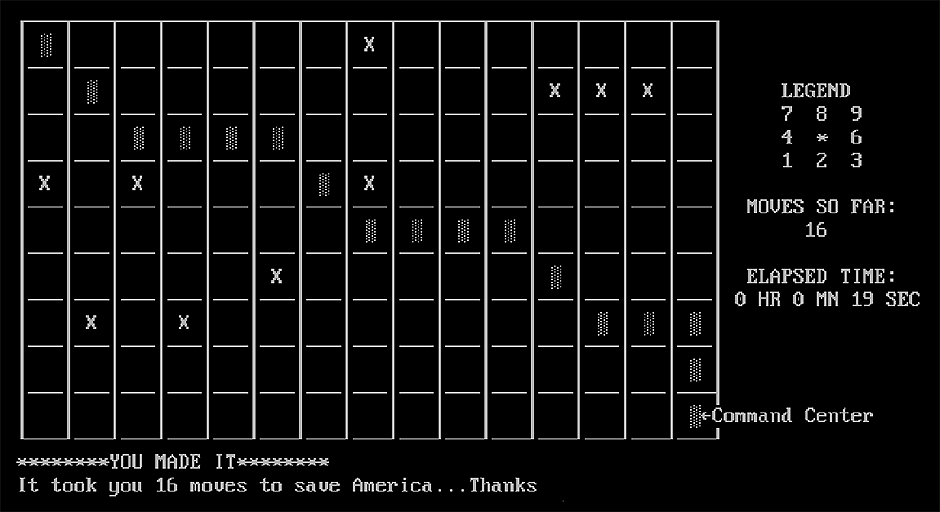
In 1985, Relentless Logic arrived on DOS systems, featuring a soldier trying to cross a minefield. Each revealed square indicated how many mines were nearby, forcing players to rely on logic rather than guesswork. This clear risk-and-reward structure became a key influence on what would become Minesweeper.
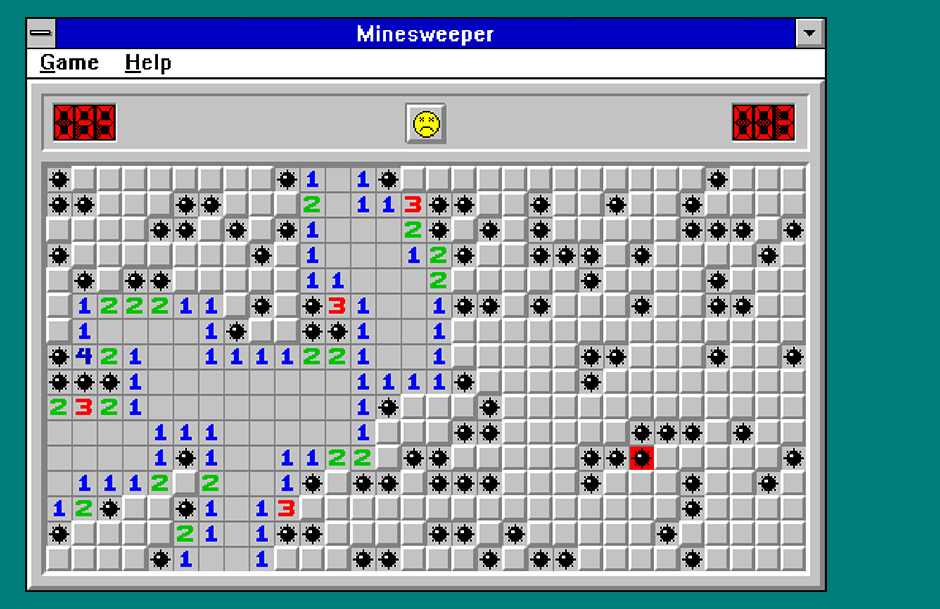
In 1990, Robert Donner and Curt Johnson created a version simply called Minesweeper for Windows. It was released as part of the Microsoft Entertainment Pack and quickly turned into a quiet addiction in offices, schools and homes around the world. By the time Windows 3.1 came out, Minesweeper was already iconic. Players loved the tense first click, the satisfying spread of cleared tiles and the race to beat their fastest time on each difficulty level.
The Windows Era: Minesweeper Goes Mainstream
Throughout the 1990s and early 2000s, Minesweeper was bundled with nearly every Windows PC. It became more than just a game, it was something almost everyone played at some point. Variants like Beginner, Intermediate and Expert added layers of challenge while the high-score timers pushed players toward faster and more efficient solutions. Some players developed advanced techniques like “1-2-1” logic and “chord clicking” (clicking both mouse buttons at once) to speed up clears.
Starting with Windows Vista, Minesweeper also began guaranteeing that the first click would never hit a mine, a small but important update that made the game feel fairer from the very first move.
Despite its minimal visuals, Minesweeper turned into a global phenomenon. Entire communities formed around solving puzzles efficiently and in offices it wasn’t unusual to see friendly competitions over who could clear a board the fastest. Others just enjoyed the quiet fun of playing a round during a coffee break.
That era finally ended in 2012, when Microsoft stopped bundling Minesweeper with Windows 8 and replaced it with a downloadable version from the Microsoft Store. That shift opened the door for browser-based versions like Google’s to step in and take the spotlight.
Google’s Minesweeper: A Clean Modern Take
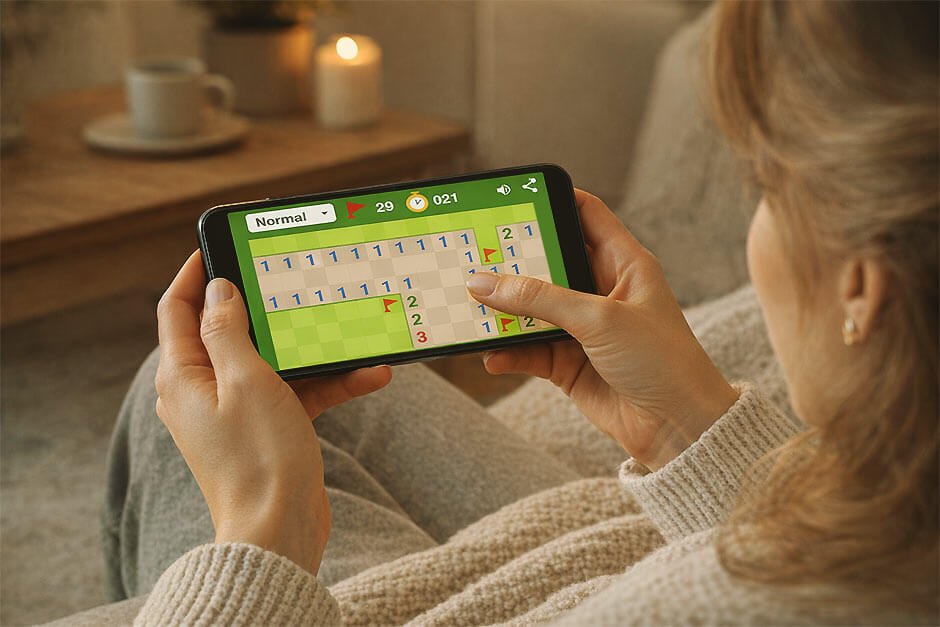
In 2018, Google quietly released its own browser-based version of Minesweeper. Just search “Minesweeper” and the game appears right at the top of the results. This version came with a fresh look and smooth animations.
Unlike the Windows version, which relied heavily on mouse inputs, Google Minesweeper was designed with touchscreens in mind. Tapping a square brings up a menu to either dig or flag, making it more precise on phones. Google kept the traditional game structure intact but made it easier for anyone to jump in and start playing, no install required.
The Puzzle’s Enduring Legacy
The game has quietly influenced a generation of logic games. It inspired mobile apps, spin-offs and even classroom logic puzzles. Developers often cite it as a great first project because the Minesweeper rules are simple but the internal logic is rich. Many players say Minesweeper helps you get better at thinking ahead, spotting patterns and staying calm under pressure. One wrong click and it’s game over.
Today, Minesweeper lives on in web-based versions, speedrun communities and as a coding project in schools. It continues to deliver that blend of calm thinking and sudden tension that makes a good puzzle unforgettable.
Fun Facts
Here are some things you might not know about Minesweeper:
- Left-Click Only: In early versions, right-clicking wasn’t universal. Some systems used keyboard inputs or different mouse setups, especially on older Apple and Unix machines.
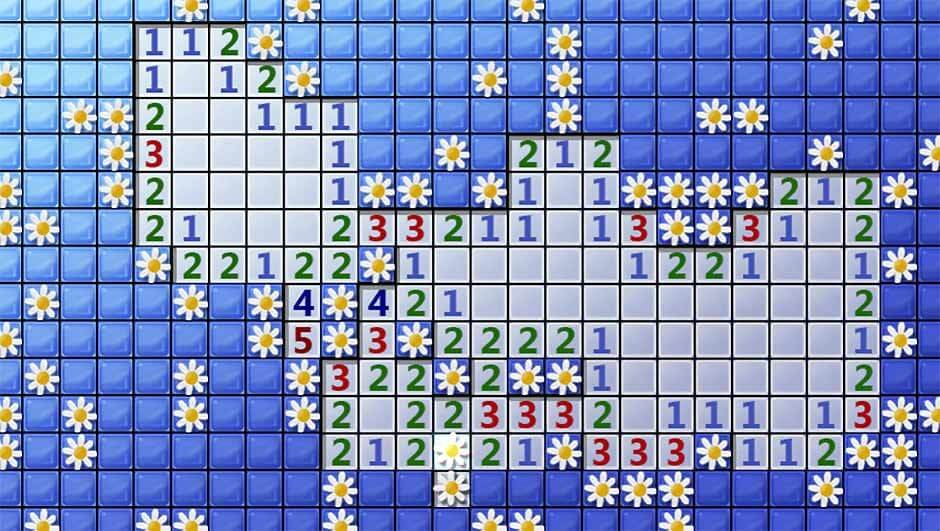
- Mines or Flowers: To avoid controversy over real landmines, Windows Vista introduced a Flower Garden mode, replacing mines with flowers. In some countries this softer version became the default, with updated colors and even a renamed game style to match the new look.
- World Records: Competitive players have solved Expert boards in under 30 seconds using advanced techniques and extremely fast hand movements. One of the fastest players, Kamil Murański, once held the record for clearing all three difficulties in just 38.65 seconds.
- AI Projects: Minesweeper is used in AI research to teach bots about uncertainty, decision-making and pattern recognition. It’s even been shown to be Turing-complete when extended to infinite grids.
- No Copyright: Minesweeper is not owned by one entity, which has led to hundreds of clones, remakes and browser-based variants like Google’s.
- Accessible to All: Minesweeper has barely any text and no complex instructions, which makes it easy to pick up for players of any age or background. Its clean design and free access still draw people in around the world.